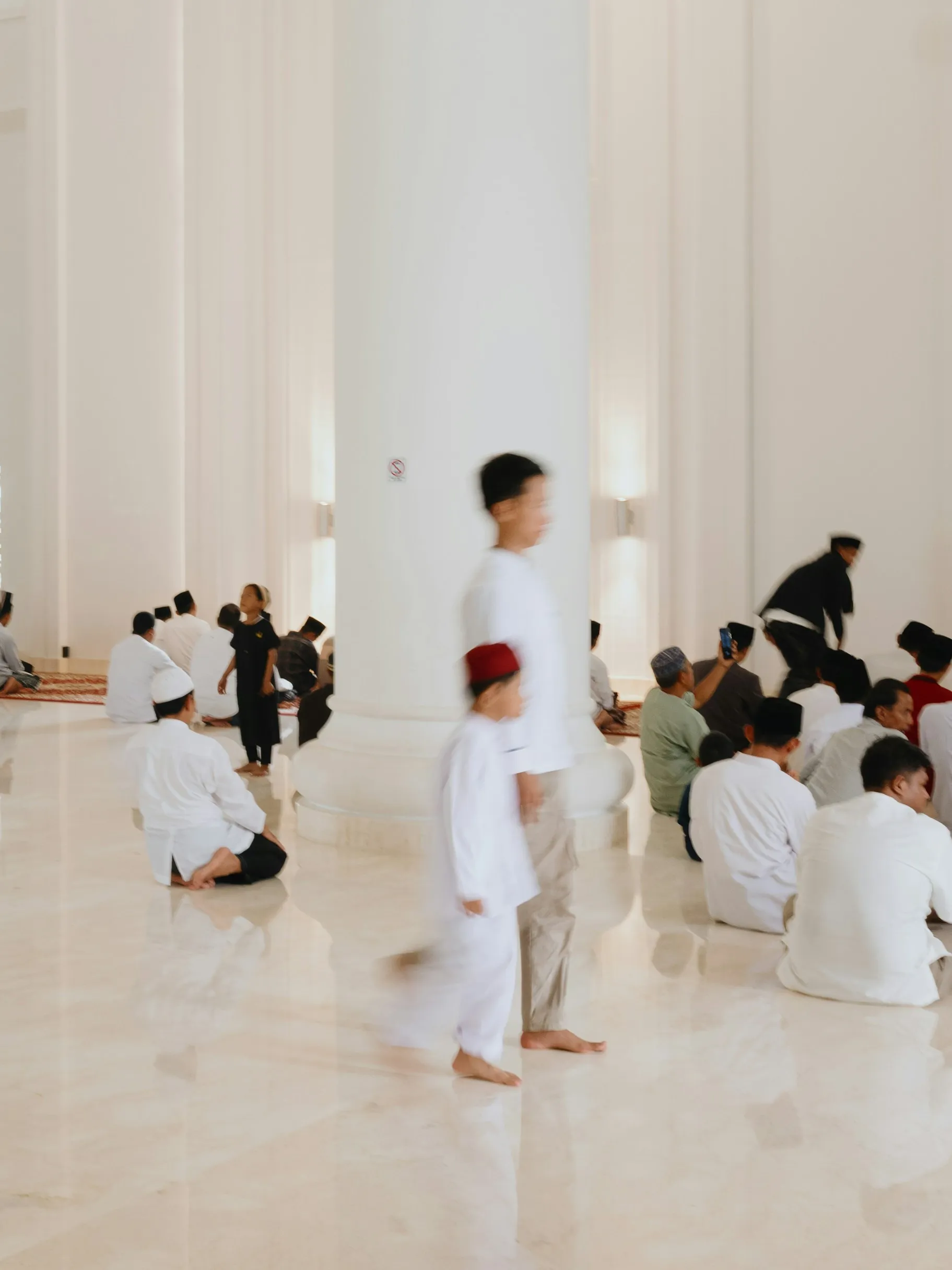
Stepping into Quranic reading as an adult often carries an unspoken weight: subtle embarrassment, fears that memory isn’t quite as sharp as it was during school days, or hesitation born of previous false starts. Yet across decades of teaching adult beginners, one truth remains steadfast: adults possess an analytical curiosity and spiritual resolve that children simply do not have . With structured phonetics and patient human feedback, reading directly from the sacred text is fully within your reach.
1. Start with the Arabic letters
(Makharij & Shapes)
The journey begins by demystifying the Arabic alphabet. Unlike Latin letters, Arabic consonants are cursive and transform based on their position—isolated, initial, medial, or final. You do not need to memorize every aesthetic nuance at once; rather, concentrate on the distinct articulation points (Makhārij).
There are five major sound origination zones in the vocal tract: the chest/throat (Halq), the tongue (Lisan), the lips (Shafatayn), the nasal cavity (Khayshoom), and the empty oral space (Jawf). Grasping that heavy letters such as Qāf (ق) and Ṭā’ (ط) rely on rear tongue elevation immediately prevents the common pitfall of anglicizing sacred sounds.
2. Learn the short vowels (Harakat)
Once individual consonants can be identified in isolation, the three short vowel marks breathe movement into the script:
Fatḥah ( َ )
An open upper sound providing a crisp “ah” resonance without slurring.
Kasrah ( ِ )
A light downward smile sound giving the sharp “ee” tone.
Ḍammah ( ُ )
Rounded lips directing an “oo” tone with gentle vocal stability.
At this phase, avoid rushing. Read aloud slowly to anchor the mechanical muscle memory in your jaw and lips.
“The best among you are those who learn the Quran and teach it. There is no age limit on sacred knowledge.”
3. Read short words, then complete verses
Connecting consonants with the rest sign (Sukoon) and the doubled sign (Shaddah) forms the rhythmic bedrock of Quranic phrasing. By systematically working through a structured primer like the classic Noorani Qaida, words disassemble and reassemble logically like modular puzzle blocks.
Before you know it, you will progress from deciphering three-letter stems like كَتَبَ (kataba) to reciting entire ayahs from Surah Al-Fatiha and Surah Al-Ikhlas with pure rhythmic confidence.

4. Add basic Tajweed rules
Tajweed is simply the science of giving each letter its intrinsic right and customary measure. While deep academic treatises on Qirā’āt span volumes, adult beginners need only prioritize four intuitive core rules:
Madd (Elongations): Distinguishing the standard 2-beat count from natural 4-to-6 beat obligatory extensions.
Ghunnah (Nasalization): Generating resonant two-count nasal hums on stressed Noon and Meem letters.
Qalqalah (Echoing): Rebounding the five echoing consonants (ق ط ب ج د) when coming to a rest or carrying a Sukoon.
5. Practise daily with a qualified teacher
Self-study mobile applications and automated speech-recognition bots are wonderful supplement tools, but they cannot discern whether an adult throat contraction is constricting Ḥā’ (ح) into a flat English Hā’ (هـ). Human recitation is an oral tradition (Talaqqi) transmitted face-to-face for over fourteen centuries.
Working with an Azhari-trained tutor provides a safe, judgment-free mirror. Mistakes are reframed as natural linguistic adjustments, keeping performance anxiety completely out of your sacred practice.
Practical habits for steady progress:
Dedicate 15 minutes every morning
A consistent 15-minute dawn review far outperforms an exhausted two-hour weekend cram session.
Record your voice on WhatsApp
Send voice memos to yourself to compare your pronunciation directly with authentic recordings of Sheikh Al-Husary.
Choose a teacher who offers gentle feedback
Adult pedagogy requires positive reinforcement and empathy, not intimidation or rigid pressure.
Prioritize precision before speed
Reciting one verse with pristine phonetic articulation is exponentially better than quickly skim-reading a whole page incorrectly.